
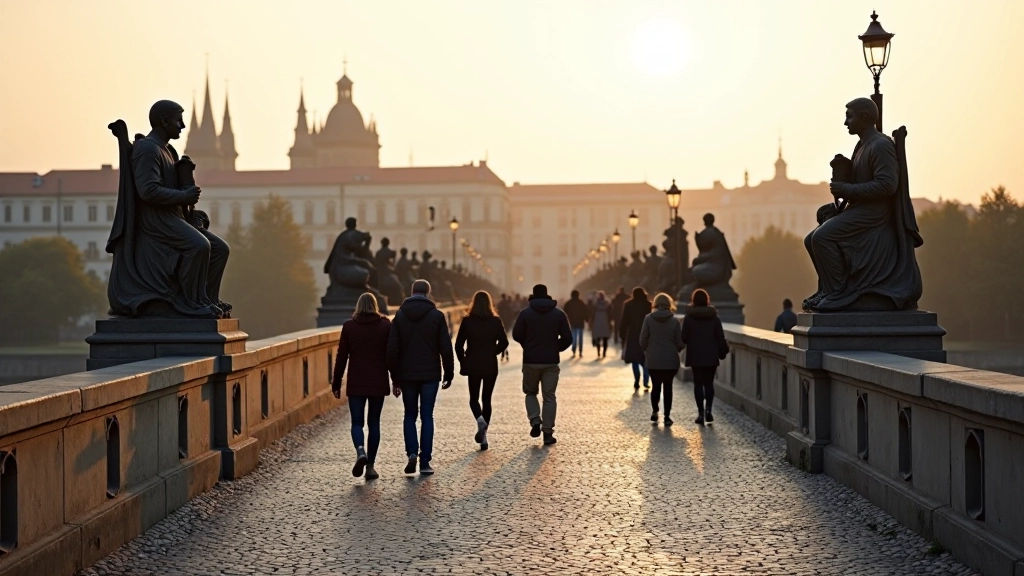
Nature Exploration
Bohemian Countryside Walks: Nature Trails Beyond Prague
Explore forested areas and rural landscapes. We've picked trails that aren't crowded and show you real Czech countryside — villages, farms, and quiet valleys.

Why Head Beyond the City?
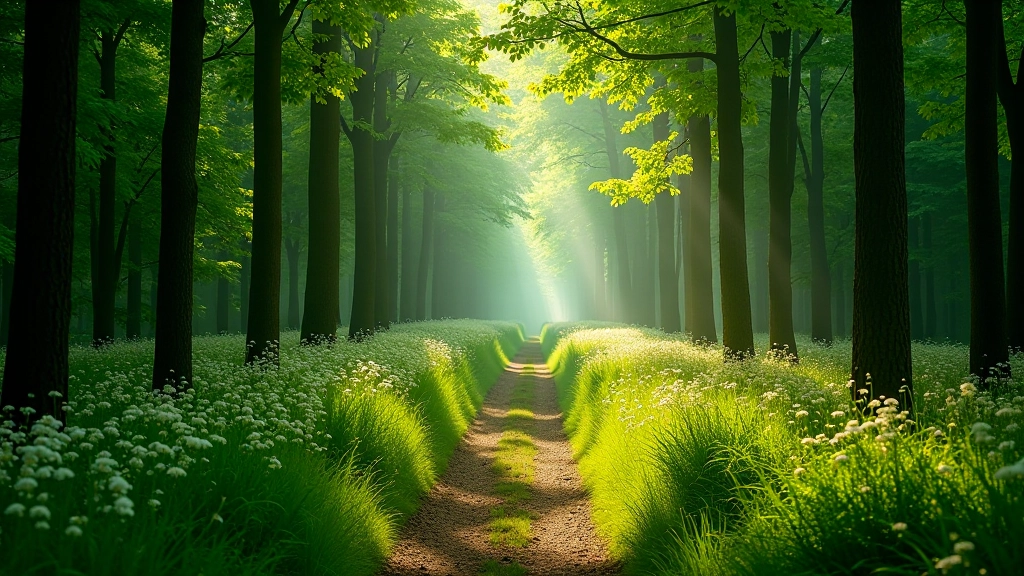
Prague's great, but honestly, the real Czech Republic is in the countryside. You'll find rolling hills covered in beech forests, villages that haven't changed much in decades, and paths where you might not see another person for hours. It's peaceful. The air's different out there.
We've spent years exploring these areas. We know which trails actually deliver views, where to stop for proper local food, and how to avoid the muddy sections. Most important? We've picked routes that feel genuine — not manicured for tourists. You're walking where locals walk.
What Makes These Trails Different
We've selected routes based on genuine experience, not guidebook rankings.
Forested Sections
Most of these trails run through actual forests — not park paths. Beech and spruce mixed together. Proper shade when it's hot. That forest smell stays with you.
Fewer Crowds
Even in peak season, these routes don't feel crowded. You'll pass other walkers, sure, but you're not queuing for trail photos or fighting for space at lookouts.
Real Villages
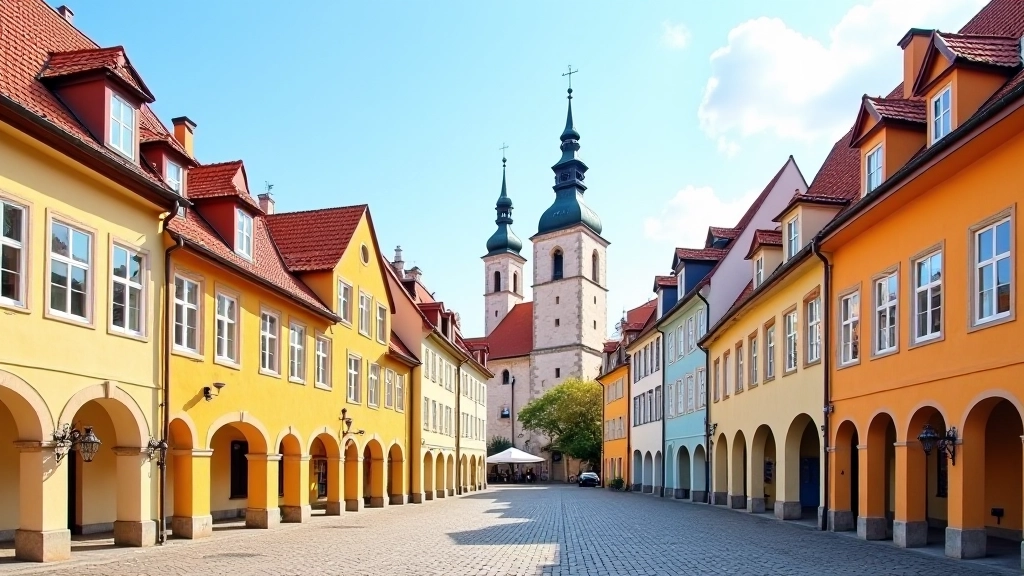
Walks pass through actual settlements with local pubs, farms, and genuine character. Not reconstructed heritage sites. Actual places where people live and work.
Clear Navigation
All routes we recommend have solid trail markers — colored blazes on trees, signposts at junctions. You won't get lost, even without GPS.
Varied Difficulty
Routes range from gentle 2-hour walks to challenging 6-hour hikes with elevation gain. There's something for different fitness levels and schedules.
Genuine Scenery
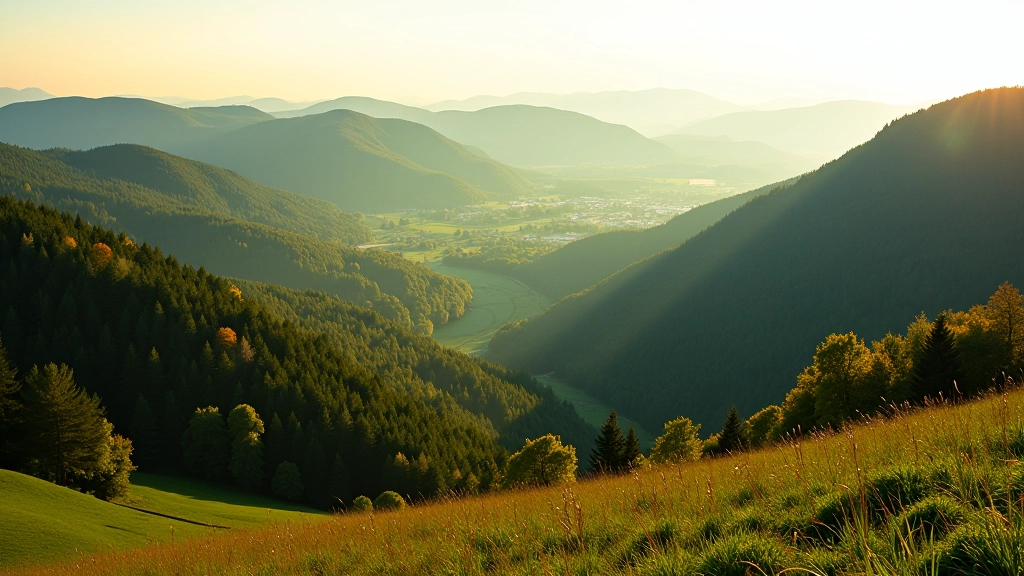
These aren't Instagram-famous spots. They're real landscapes — meadows, forests, valleys. The kind of views that stay with you because they're authentic.
Understanding Trail Difficulty
Bohemian trails vary more than you'd expect. It's not just about distance. Elevation matters — some routes have serious climbs. Surface quality matters too. A muddy 8km walk feels longer than a dry 10km walk.
Easy (2-4 hours)
Gentle paths, minimal elevation. Forest trails with few steep sections. Good for families, casual walkers. These aren't boring — you'll see plenty of scenery.
Moderate (4-6 hours)
Regular elevation changes, some steep bits. Mix of forest and open countryside. Requires decent fitness but nothing extreme. Most adult walkers handle these comfortably.
Challenging (6+ hours)
Significant elevation, longer distances, varied terrain. Real physical effort required. Rewarding though — you'll reach areas most casual walkers don't reach.
Best Times to Walk
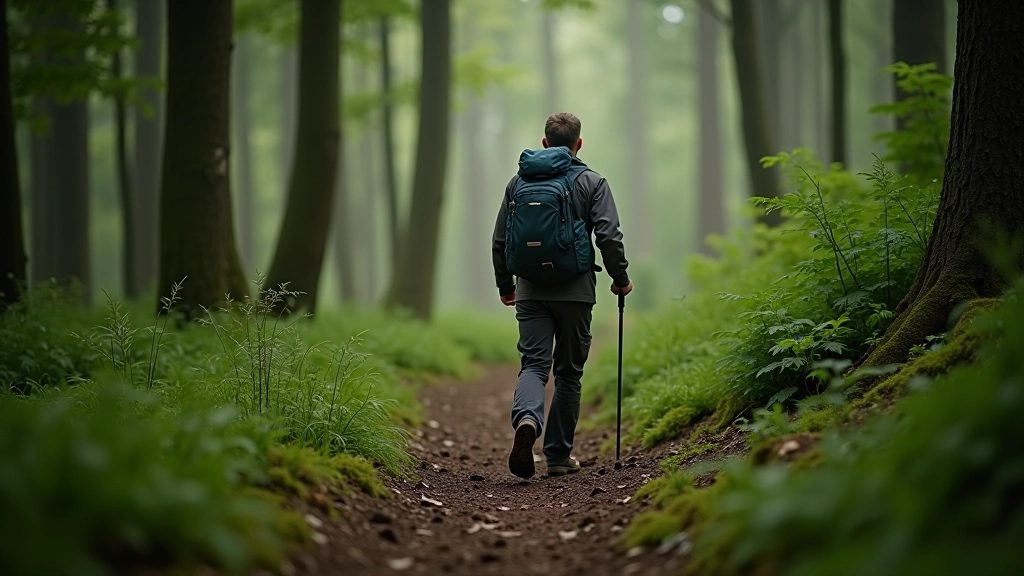
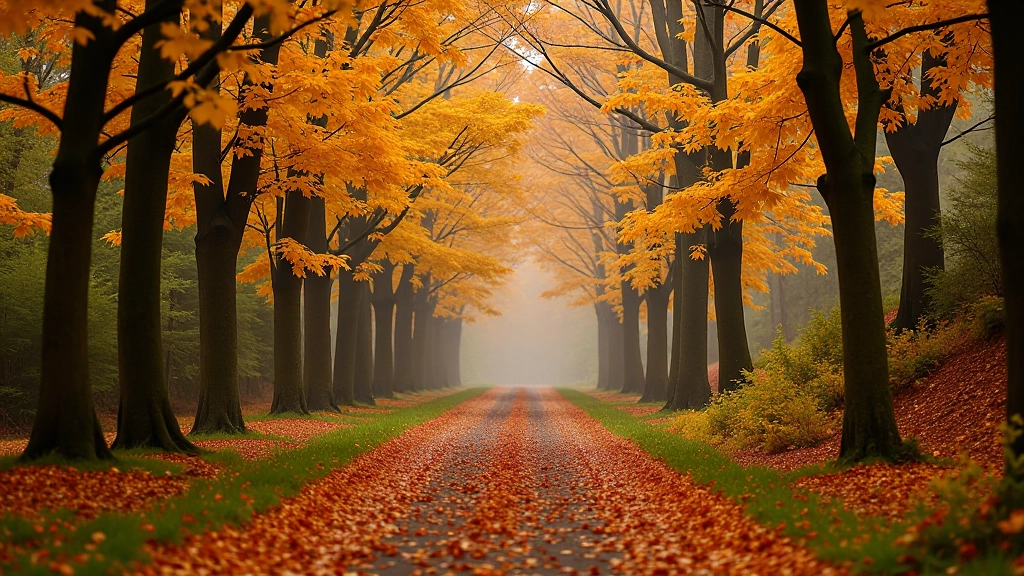
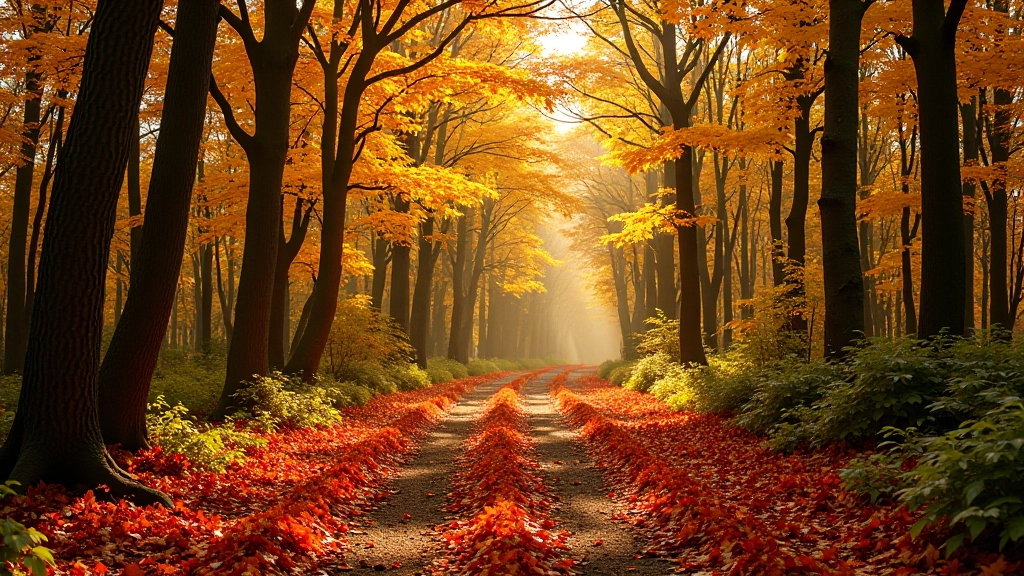
Timing matters more than you'd think. Spring brings mud — the trails are still draining from winter melt. Summer's fine, but you'll encounter more people and occasional crowds. Autumn? That's when it's really good. Clear air, fewer people, and the forests change color. Winter works too if you're prepared — quieter, but some paths get icy.
Spring (April-May)
Mud on lower sections. Higher elevation trails clearer. Flowers appear. Streams full from snowmelt. Best for experienced walkers comfortable with wet conditions.
Summer (June-August)
Dry, warm, predictable. Most trails in excellent condition. Start early to avoid afternoon heat. Popular time, so expect company on weekends.
Autumn (September-October)
Ideal season. Clear air, color changes, comfortable temperature. Fewer crowds than summer. Paths drying out from summer rain. We recommend this time most.
Winter (November-March)
Quiet, beautiful in snow. Icy sections on exposed areas. Shorter daylight limits walking hours. Requires proper boots and extra caution. For experienced winter walkers.
What to Bring
You don't need fancy gear. But a few things make a real difference between a good walk and a miserable one.
Good Walking Boots
Not hiking boots necessarily. But proper boots with ankle support and grip. Trails get muddy. Your ankles matter more than you think.
Water (1.5 liters minimum)
You won't find water stops on most routes. Bring enough. In summer, bring more. Dehydration makes everything harder.
Map or GPS
Trails are marked, but having a map (paper or phone) removes doubt. Trail markers sometimes aren't obvious. GPS app or printed map works.
Snacks and Energy
A few energy bars, nuts, fruit. Nothing fancy. You'll walk longer and enjoy it more when you're not hungry.
Rain Jacket
Even on clear days. Czech weather changes. A lightweight jacket weighs nothing and saves the walk when rain hits.
Sun Protection
Sunscreen, sunglasses, hat. Open sections have real exposure. Even cloudy days you can burn. Protect your skin.
Ready to Explore?
These walks aren't about speed or summit photos. They're about being outside, moving through real countryside, and seeing how people actually live in Bohemia. You'll be quieter afterward. The air feels different. That's the point.
Start with something moderate if you're new to this. Get comfortable with the pace. Then try the longer routes. You'll develop a feel for how your body handles distance and elevation. After a few walks, you'll understand which conditions you prefer and which trails suit you best.
Pro tip: Go on a weekday if you can. Weekends bring more people. A Wednesday walk through the same route feels completely different from a Saturday walk.
Important Notice
This article provides educational information about walking trails in the Bohemian region. Trail conditions, weather, and accessibility change seasonally. Always check current conditions before heading out. Bring appropriate gear for the season. If you're unfamiliar with hiking, consider starting with easier routes or going with experienced walkers. Weather in Czech countryside can change quickly — be prepared. This information is based on field research but individual experiences may vary based on timing, fitness level, and weather conditions.