dinobomb Logo Dinobomb Contact Us
Contact Us
Medieval Heritage

Historical Town Routes: Medieval Streets and Hidden Squares

Discover the cobblestone paths and forgotten corners where Czech history comes alive. We'll guide you through centuries-old streets, hidden squares, and architectural gems most visitors never find.

10 min read All Levels March 2026
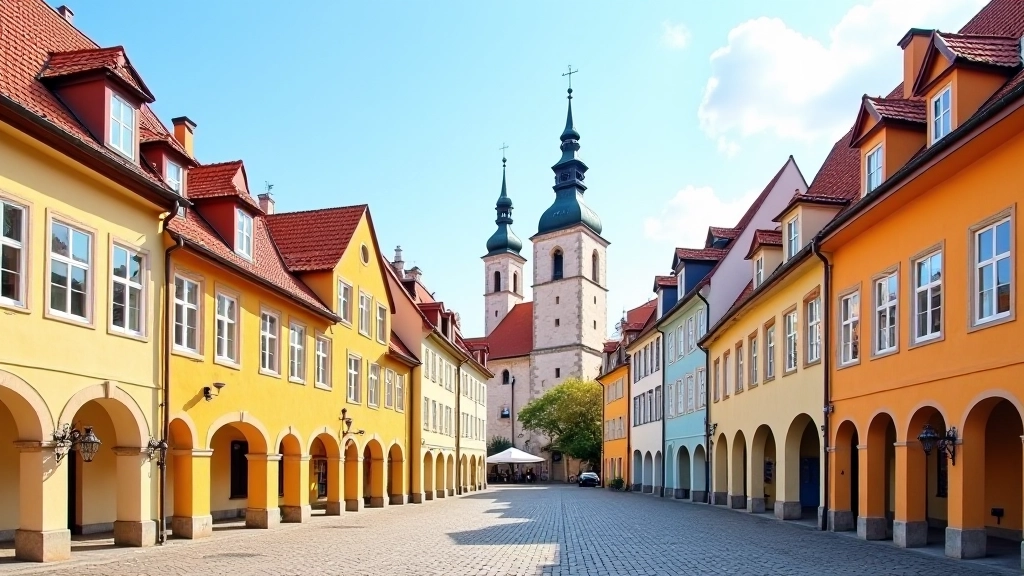
Medieval town square with colorful historic buildings and church tower visible in background
Martin Novotný

Author

Martin Novotný

Senior Walking Routes Specialist

Martin Novotný is a Senior Walking Routes Specialist with 14 years of field research across Czech trails and Prague urban paths. He's mapped over 200 historical routes and documented the stories behind medieval squares.

Why Medieval Routes Matter

Walking through a medieval town isn't just sightseeing. It's stepping into the actual layout that shaped people's lives for centuries. The narrow streets, tight corners, and unexpected squares weren't accidents — they were designed for defense, commerce, and community.

When you follow these routes, you're literally walking the same paths merchants used, where townspeople gathered for markets, and where the town's wealth and power concentrated. You'll notice how buildings lean inward, how light changes as streets twist, and how suddenly a hidden courtyard opens up. That's the real experience. It's not something a photo captures.

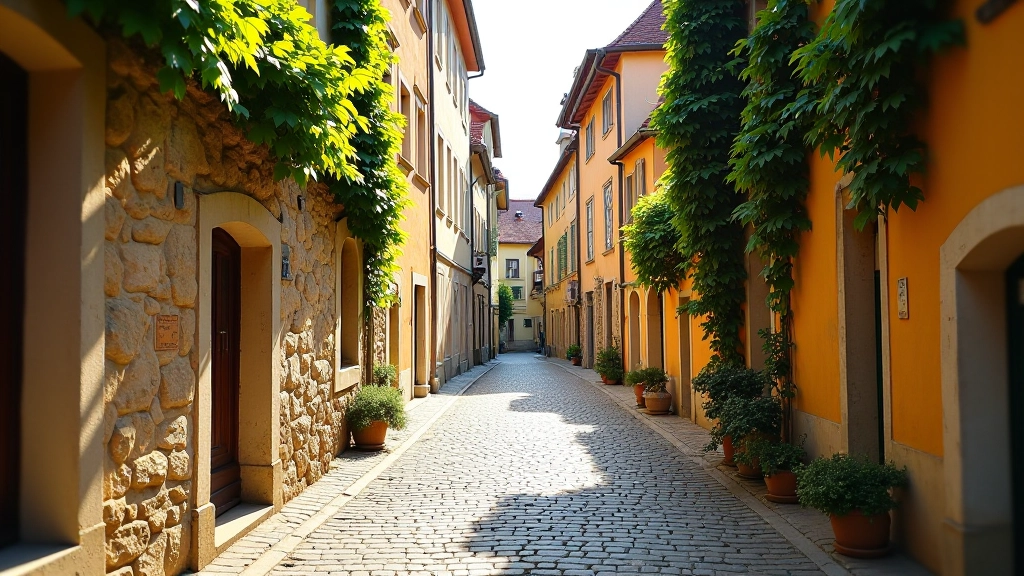
Narrow medieval cobblestone street with historic stone buildings on both sides, golden afternoon light casting shadows between buildings
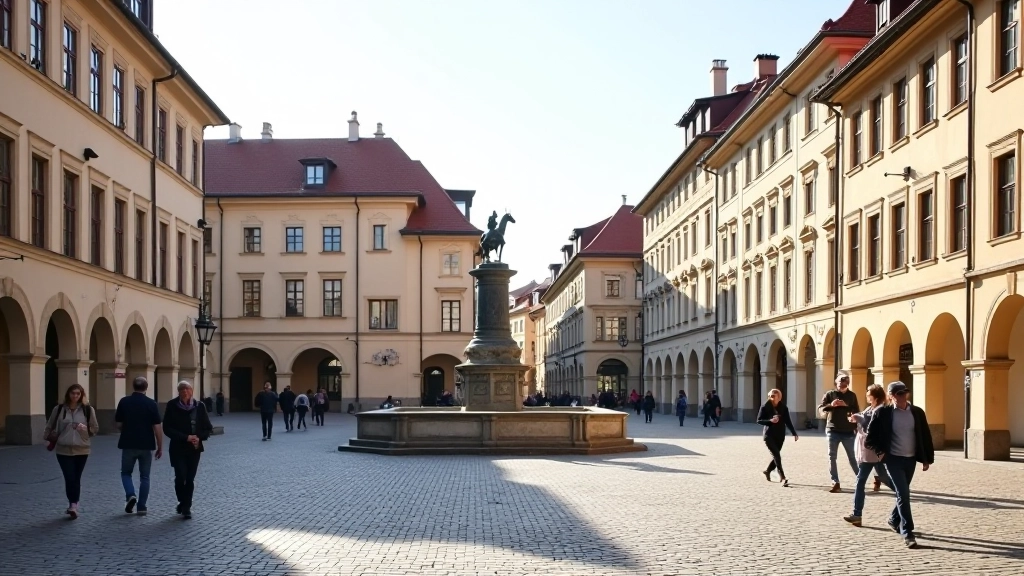
Historic town square with Renaissance buildings and central fountain, tourists walking across cobblestones in afternoon light

The Three Patterns of Medieval Layout

Medieval towns didn't grow randomly. They followed one of three main patterns, and once you know them, you'll spot the logic in every street.

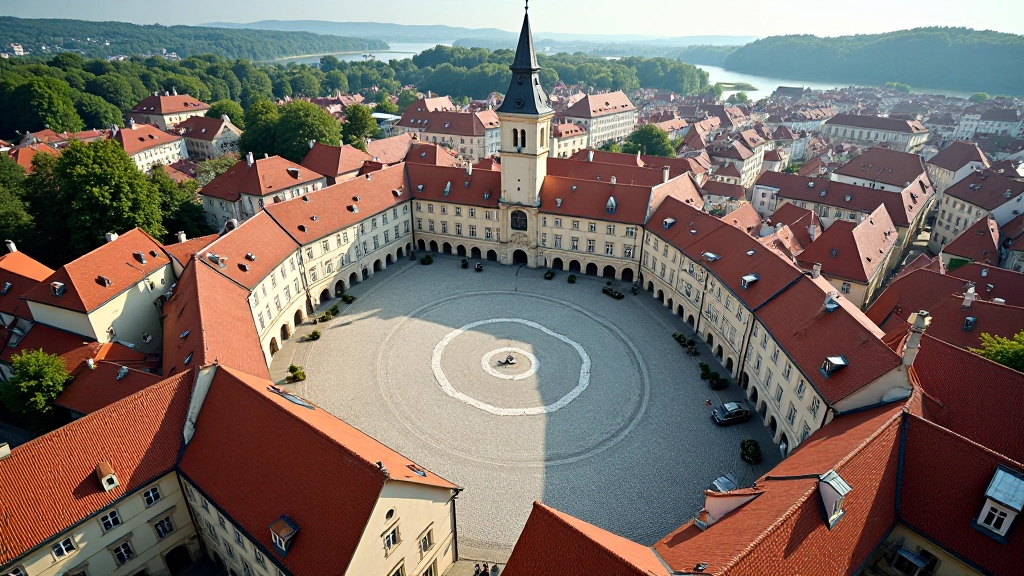
The Ring Town

Circles or spirals radiating from a central square. You'll find these in towns built for defense — the center was the safest spot. Czech towns like Český Krumlov use this. Walking them, you'll notice how each ring gets progressively wider.

The Grid Town

Straight streets crossing at right angles. Organized, efficient. Often built during periods of planning and prosperity. These are easier to navigate but less atmospheric — fewer surprises.

The Organic Town

Streets that twist and turn following terrain and rivers. Most atmospheric but hardest to navigate. This is where you'll find hidden squares and unexpected courtyards. These towns reward slow exploration.

What to Notice on Your Walk

You don't need a guide to understand medieval towns. Just know what to look for. Slow down. Stop regularly. Let your eyes adjust to the light changes as you move between narrow streets and open squares.

Building Heights

Medieval builders made buildings taller to fit more people in cramped space. That's why streets feel almost like canyons. The narrower the street, the taller the buildings relative to street width. It creates a specific feeling — cozy or claustrophobic depending on your perspective.

Street Level Changes

Medieval streets weren't paved evenly. They often slope toward centers for drainage. Doorways are sometimes raised above street level. This tells you about water, flooding, and how people actually lived with weather and waste.

Hidden Passages

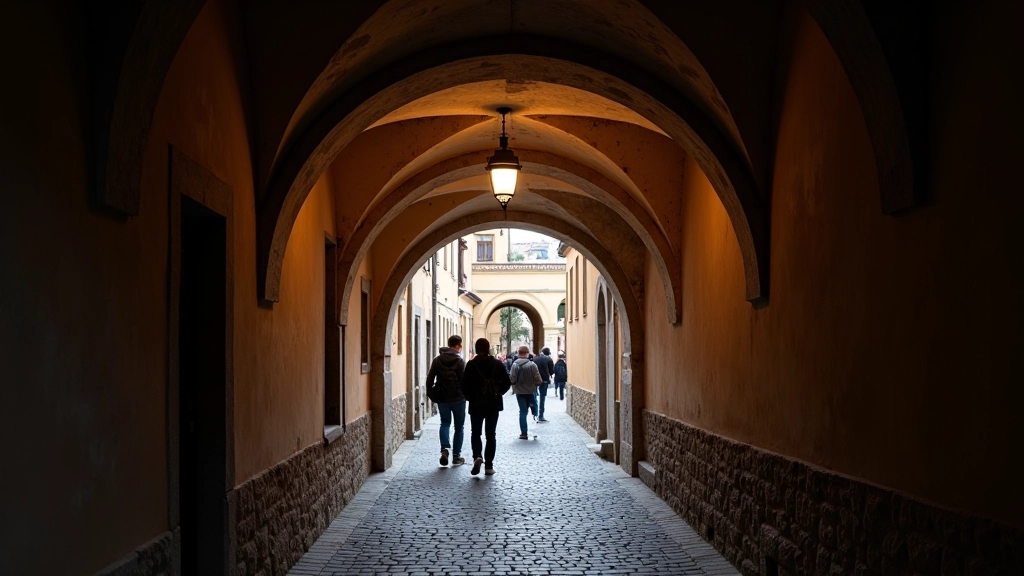
Look for archways connecting streets, narrow passages between buildings, and covered walkways. These existed for defense, shelter, and practical shortcuts. They're still shortcuts — try them.

Arched passageway through medieval stone building connecting two streets, dim interior lighting, tourists walking through passage

The Real Value of Slow Walking

Medieval town routes aren't about distance or time. They're about attention. You'll walk maybe 3-5 kilometers in a day, but you'll see centuries of human decisions written in stone. That's the point.

When you understand the patterns — the rings, the grids, the organic growth — the town stops being random. You start predicting where squares open up, where views appear, where narrow streets give way to wider ones. You're thinking like someone from that time.

Start with one town. Walk it twice — once fast to see the overall shape, once slowly to notice details. Notice how the light changes. Listen to how sound carries differently in narrow streets versus open squares. Feel how the ground changes under your feet. That's when a medieval town stops being a place you visit and becomes a place you understand.

Aerial view of medieval town showing circular street layout with central square and surrounding buildings, historic urban pattern

About This Guide

This article is an educational resource about historical town layouts and medieval street patterns in Czech Republic. Routes and conditions change seasonally. Before visiting, check local tourism websites for current accessibility, opening hours, and any temporary closures. Weather, personal fitness, and local events may affect your experience. This guide doesn't replace local expertise — consider hiring a local guide for deeper historical context specific to individual towns.