
Urban Exploration
Prague's Riverside Walks: From Charles Bridge to Vyšehrad
Follow the Vltava River through centuries of history, passing iconic bridges, hidden viewpoints, and medieval architecture. A complete guide to Prague's most scenic waterfront routes.

Why Walk the Riverside?
Prague's river routes aren't just pretty. They're the backbone of the city's entire history. The Vltava has shaped everything from where neighborhoods developed to which bridges connected them. Walking these paths, you're literally following the city's heartbeat.
The riverside walks we're covering span roughly 8 kilometers, connecting some of Prague's most important landmarks. You'll pass through royal districts, cross centuries-old bridges, and hit viewpoints that explain why Prague became what it is today. Most of the route is flat and pedestrian-friendly — no special gear required.
Quick facts: The main route takes 3-4 hours at a relaxed pace. Best visited spring through autumn. Morning walks are quieter and have better light for photos.
Charles Bridge: The Starting Point
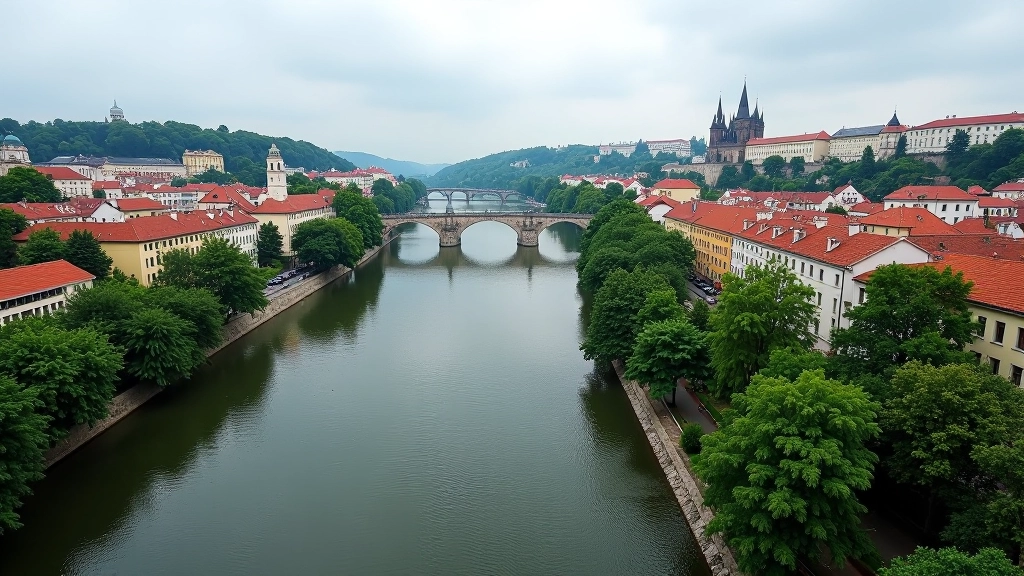
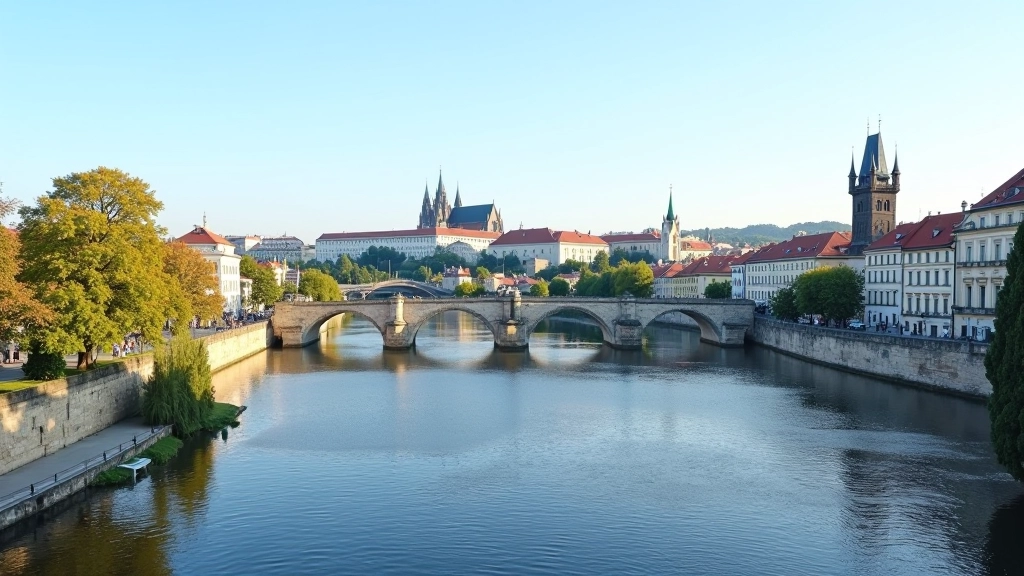
Charles Bridge is where most riverside walks begin — and for good reason. Built in 1357, it's the oldest bridge still standing in Prague. The bridge itself is 516 meters long, lined with 30 statues on each side. Early morning is best because you'll actually see the carvings without a thousand people in the way.
Start at the Old Town side (the side with the twin Gothic towers). Walk slowly. Each statue tells a story — some are religious figures, others mark historical events. The bridge's structure isn't complicated but the details matter. Notice the original stonework versus later repairs. About halfway across, you'll find the best viewpoint looking upstream toward the city.
The walk takes about 15-20 minutes if you're stopping to look around. Don't rush it. The bridge is busiest from 10 AM to 4 PM, so aim for early morning or late afternoon if you want a more peaceful experience.


Kampa Island: Hidden Neighborhood
After crossing Charles Bridge, head down to Kampa Island — and you'll immediately feel the difference. It's quieter. The crowds thin out. You're on an island between two branches of the Vltava, surrounded by old Prague townhouses, cafes, and gardens.
The island was created accidentally when the city dug a water channel in the 12th century. What started as an industrial area became residential, then eventually a neighborhood with real character. The streets are narrow. Buildings lean against each other like they're tired. It's the kind of place where you understand why people love Prague.
Walk along the river's edge on Kampa's south side. There's a path that hugs the water, with views of the river and the opposite bank. You'll pass small parks where locals sit on benches. The whole island walk takes about 30 minutes. Worth every step.
Related Reading
Bridges and Landmarks Along the Way
Prague has 18 bridges crossing the Vltava — Charles Bridge is just the beginning. As you walk south from Kampa, you'll encounter several more, each with different character. Legion Bridge (Most Legií) is modern and elegant, opened in 1901. It's worth pausing to see how it contrasts with Charles Bridge's medieval stonework.
Further downstream, you'll reach the Dancing House — a unique building that looks like it's swaying. It's a modern structure (1990s) standing next to traditional Prague architecture. This contrast tells a story about how the city evolved after communism fell.
18
Bridges in Prague
1357
Year Charles Bridge Built
8 km
Main Route Distance
Vyšehrad: The Ending Point
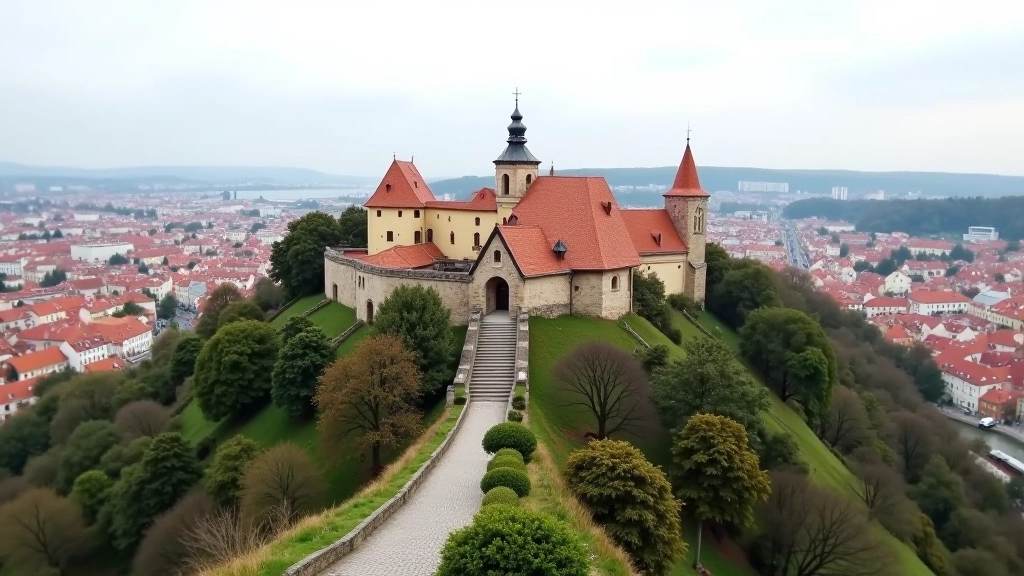
Vyšehrad fortress sits on a hill overlooking the Vltava. It's where Prague's story actually started — before Prague Castle, before Charles Bridge. According to legend, a princess prophesied Prague's future from this spot in the 10th century. Whether that's historically accurate doesn't matter. The views from Vyšehrad are reason enough to make it here.
The walk up to Vyšehrad from the riverside takes about 20 minutes and gets steep near the top. There's a paved path, so it's manageable, but you'll feel it in your legs. Once you're inside the fortress walls, you'll find gardens, old churches, and a cemetery where Prague's notable figures are buried. The whole area covers about 7 hectares, so you could spend 1-2 hours exploring.
The riverside path ends here naturally, making Vyšehrad the perfect conclusion to your walk. The fortress overlooks everything you've just walked through. It's a moment to stop, sit on a bench, and understand how all these pieces fit together.
Practical Tips for Your Walk
Best Time to Go
Early morning (7-9 AM) gives you empty streets and good light. Late afternoon (4-6 PM) offers warm golden hour light and fewer crowds than midday.
What to Wear
Comfortable walking shoes are non-negotiable. The paths are mostly flat but you'll be on your feet for 3-4 hours. Layers work well since you'll move between sunny and shaded areas.
Bring Water
There are cafes along the route but carrying a water bottle keeps you independent. You'll be walking in the sun for long stretches, especially on the bridge and riverside paths.
Photography
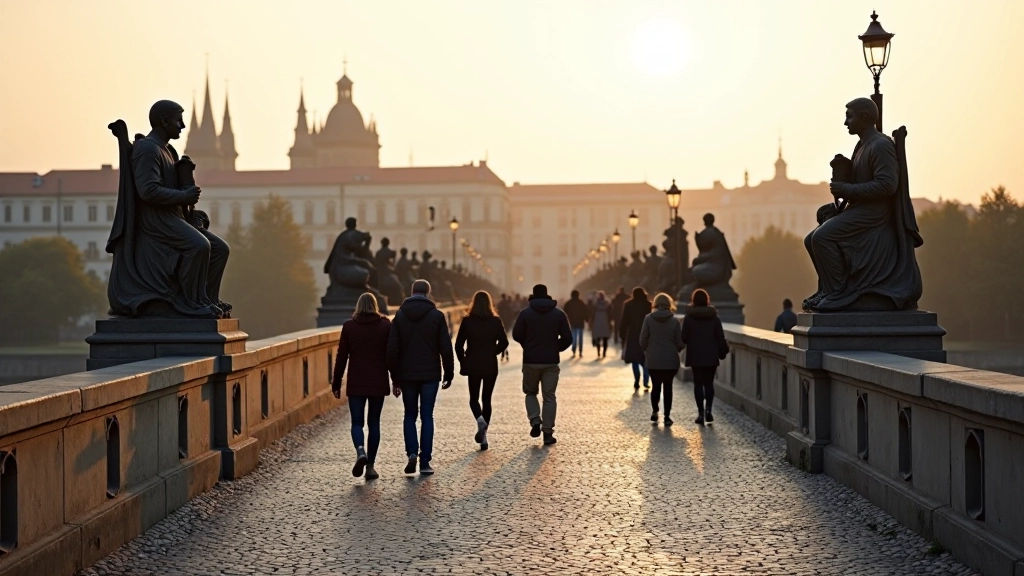
Bring a good camera or smartphone. The light hitting the river in morning and evening creates dramatic shadows. Charles Bridge and Vyšehrad offer the best views.
Why This Walk Matters
Walking Prague's riverside isn't about checking off landmarks. It's about understanding how a city develops around water. The Vltava River shaped everything — where buildings went, how neighborhoods connected, which areas became wealthy. By walking this route, you're literally following the lines that created Prague.
You'll see architectural styles from eight centuries. Medieval structures stand next to communist-era buildings next to modern glass offices. That's not confusing — that's honest. It's how cities actually work. They don't get rebuilt every 50 years. They layer. They evolve. They keep their history visible.
This walk takes 3-4 hours. You'll cover 8 kilometers. Your legs might be tired at the end. But you'll have experienced Prague the way locals do — by walking it. Not from a tour bus. Not from a guidebook. From the ground, at your own pace, noticing what you want to notice.
Important Notice
The information provided in this guide is for educational purposes only. Walking conditions, access to areas, and opening hours of attractions can change. Always check current local information before planning your walk. Weather can affect path conditions, especially near water. Wear appropriate footwear and stay aware of your surroundings. This guide describes routes as they exist but doesn't guarantee permanent access or unchanged conditions.